For UAE parents
Choosing the right volunteer project for your child
Volunteering is one of the few activities that grows a child’s character while giving them something real to do with their hands. This guide walks through what to check before you sign up, so the experience actually shapes the person your child becomes, and not just fills a Saturday morning.
Across the UAE, from Dubai’s public beaches to community parks in Sharjah and Ajman, families now have more chances than ever to join organised cleanups, animal welfare drives, and school-led environmental campaigns. The trick is picking the ones that match your child’s age, energy, and interests, so the lesson sticks.
Why it matters
Small actions, lasting character
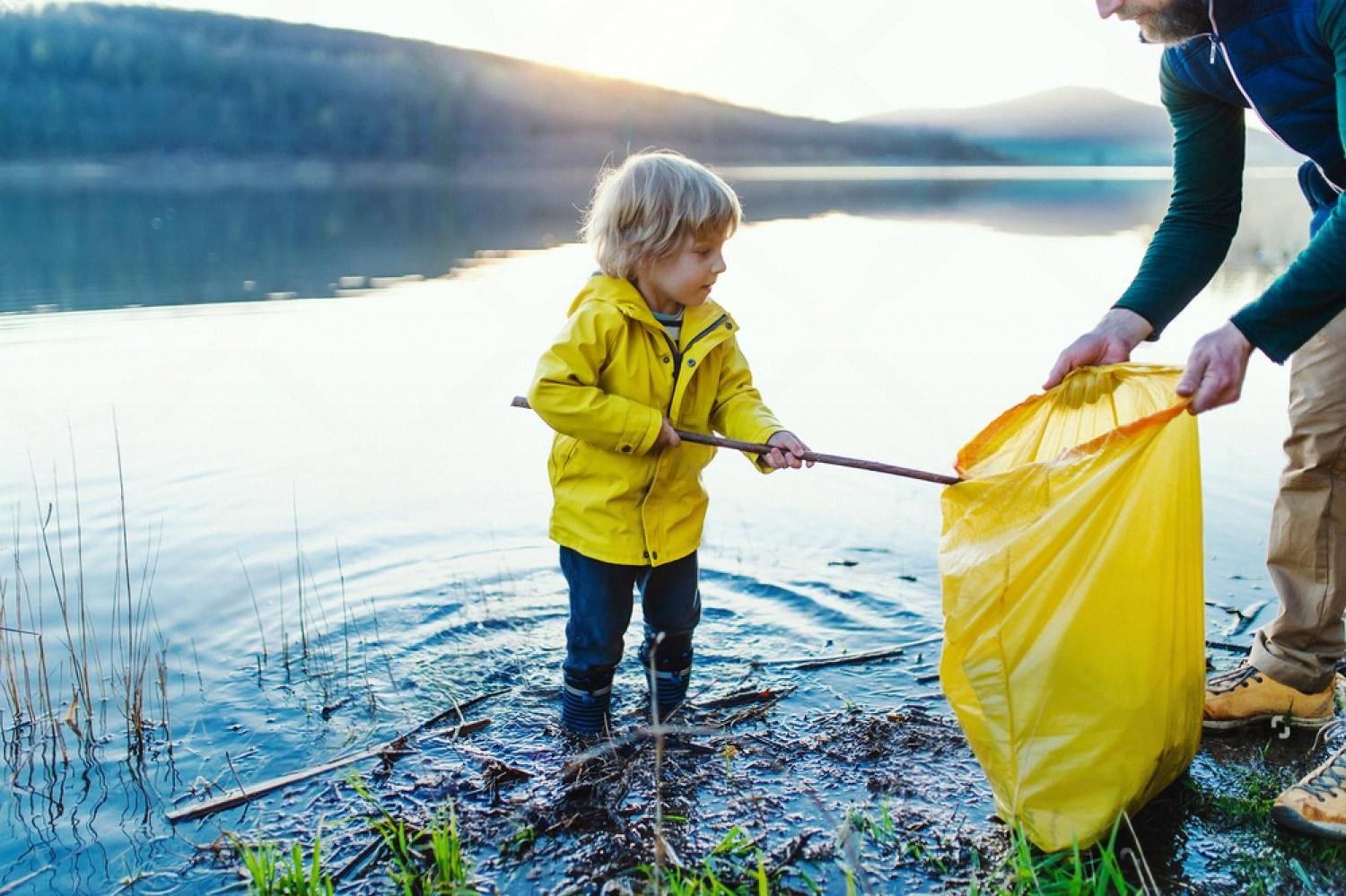
A child who spends a morning picking plastic bottles off a beach in Umm Suqeim or feeding rescued cats at a shelter in Al Quoz learns something no textbook delivers. They see, up close, that nature and animals depend on human care, and that their own two hands can make a place better than they found it.
That connection is the seed of empathy. Kids who grow up caring for the environment tend to become adults who sort their waste, respect public spaces, and speak up when something is wrong. Schools that build this into their culture, such as many of the Indian schools in Ajman often report calmer, more cooperative classrooms as a side effect.
The parent’s checklist before signing up
Not every volunteer activity is a good fit for every child. Run through these points before you commit to a project, whether it’s a one-off beach cleanup or a regular shelter visit.
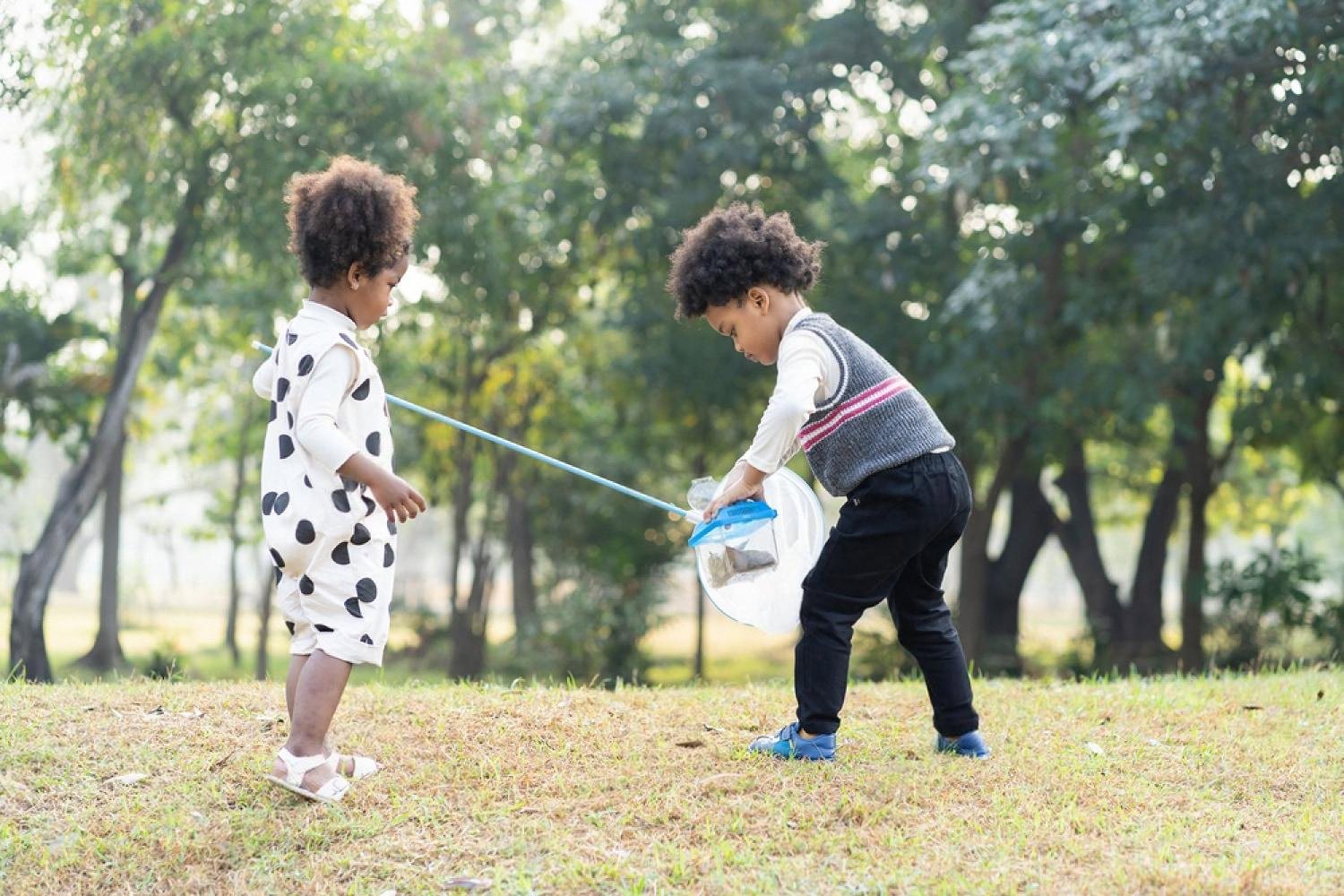
- Age-appropriate tasks. A four-year-old can carry a small bucket and spot bottle caps. A ten-year-old can handle gloves, tongs, and sorting recyclables. Match the job to the body.
- Clear safety setup. Look for organisers who provide gloves, water, sunscreen guidance, and shaded rest breaks. UAE heat is unforgiving from May through September.
- A real, visible outcome. Children learn best when they see the before and after. A cleaned stretch of beach or a well-fed shelter dog teaches more than an abstract lecture.
- Adult-to-child ratio. Ask how many supervising adults will be present. For animal shelters especially, a low ratio keeps everyone safe, humans and animals both.
- Environmental honesty. Good projects explain why they exist: what happens to plastic in the sea, where sorted waste goes, why stray animals need clean water. Avoid projects that treat kids as photo props.
- Time commitment that suits your family. A two-hour Saturday cleanup is easier to sustain than a full-day event that leaves everyone exhausted and unwilling to repeat.
- Reputable organiser. Check that the group is registered, has a track record, and is transparent about what they do with donations or collected materials.
- Space for reflection. The best projects end with a short debrief: what did we find, why does it matter, what will we do differently at home?

Matching tasks to your child’s age
The most common mistake parents make is asking a child to do too much, too soon, and then wondering why they don’t want to return. Volunteering should feel like a small win, not a chore.
For toddlers and early primary kids, keep the horizon short: fifteen minutes of collecting bottle caps into a bucket is plenty. Praise the specific action, not the child in general. “You picked up six bottles, that’s less plastic in the sea” lands harder than “good job”.
Older children can take on responsibility: leading a small group, weighing collected waste, or documenting the cleanup with photos. Giving them ownership of a task is what turns a one-off outing into a habit.
The trickier item: making it stick at home
Any parent can drive their child to one beach cleanup and post a photo. The harder work is at home: sorting waste in the kitchen, refusing single-use plastic at the supermarket, filling a bowl of water for a street cat on a hot day. These small, repeated actions are what turn a Saturday activity into a personality trait.
A useful trick is to link household habits directly to what the child saw during volunteering. If they pulled plastic bottles out of the sand at Kite Beach, put a recycling bin next to the kitchen door and let them run it. The visible chain from cause to action is what builds conviction.
- Set up a simple two-bin sorting system at home the child can manage themselves.
- Keep a small water bowl outside for street cats during summer, refilled by your child.
- Do a family “no single-use plastic” grocery run once a month, and count what you saved.
- Talk about the beach or park you cleaned every time you drive past it. Ownership grows through memory.
Popular volunteer options across the UAE
Here is a quick reference of common project types available to families in the Emirates, with a rough sense of what to expect. Actual dates, fees, and locations shift each season, so always check the organiser’s current listings before you commit.
| Project type | Suitable age | Typical duration | What kids learn |
|---|---|---|---|
| Beach and coastline cleanup | 4 and up | 2 to 3 hours | Marine pollution, waste sorting, teamwork |
| Park and desert cleanup | 5 and up | 2 hours | Respect for public spaces, litter awareness |
| Animal shelter support | 7 and up | Half day | Empathy, gentle handling, responsibility |
| Feeding and watering street animals | 4 and up (with adult) | 30 minutes, ongoing | Daily care habits, compassion |
| Tree planting and mangrove drives | 6 and up | Half day | Ecosystem thinking, patience, long-term care |
| School recycling programmes | All ages | Weekly | Consistency, systems thinking, leadership |
A child who learns to care for a stray cat or a stretch of shoreline is quietly learning to care for people too.
A final word on choosing well
The point of volunteering is not the certificate, the group photo, or the school credit. It is the slow shaping of a person who notices, who acts, and who feels responsible for the world around them. According to research summarised by UNICEF and echoed by educators worldwide, early hands-on experiences with nature and community are among the strongest predictors of prosocial behaviour later in life.
Pick one project this month. Keep it short, keep it real, and talk about it at dinner. That is how personal development actually happens, one small Saturday at a time.
Frequently asked questions
What is the youngest age a child can join a volunteer project in the UAE?
Children as young as three or four can join gentle activities like beach cleanups or park litter picks, as long as a parent is present and the tasks are limited to safe items such as bottle caps or paper. For more demanding projects like animal shelter work, most organisers set a minimum age of seven.
How do volunteer projects actually help a child’s personal development?
They build empathy, patience, and a sense of responsibility that classroom lessons cannot fully teach. A child who sees the direct effect of their actions, a cleaner beach, a fed animal, learns that their choices matter.
Over time this shapes habits: sorting waste at home, refusing single-use plastic, and treating living things with care.
Are there safe animal welfare activities for kids in the UAE?
Yes. Several shelters in Dubai, Sharjah, and Abu Dhabi run family-friendly visits where children help walk dogs, socialise cats, or prepare food bowls under supervision. Always confirm the shelter’s child policy in advance and check that gloves and hand-washing stations are provided.
How often should we volunteer to see a real effect on our child?
Consistency matters more than frequency. One meaningful project per month, followed up by small habits at home, has more impact than a single burst of activity followed by nothing.
The goal is to weave care for nature and animals into ordinary family life, not to treat it as a special event.
What should we bring to a beach or park cleanup in the UAE?
Reusable water bottles, sun hats, closed-toe shoes, gloves if the organiser doesn’t provide them, and a small first-aid kit. Sunscreen is essential from spring through autumn, and it’s wise to schedule cleanups for early morning to avoid the worst heat.
Can schools help organise volunteer projects for students?
Many UAE schools already run recycling drives, tree planting days, and community service programmes. Ask the school counsellor or class teacher about existing initiatives, and offer to help expand them if the school is open to parent involvement.
How do we help our child stay motivated after the first project?
Debrief together on the way home: what did they see, what surprised them, what would they change? Then link one small home habit to the experience, such as running the recycling bin or refilling a water bowl for street cats.
Small, visible ownership is what turns a one-off outing into a long-term interest.

I am a powerful force in the workplace and uses her positive attitude and tireless energy to encourage others to work hard and succeed.